Geotechnical safety requires more than engineering: it demands organizational clarity, decision-making, and management discipline. We support companies in structuring geotechnical governance, roles, lines of defense, decision forums, and routines to strengthen the management of tailings and critical assets.
Critical geotechnical assets are not managed solely through sound calculations or good inspections. They rely on clarity regarding who decides, who challenges, who validates, who monitors signals, how evidence is recorded, and how the organization responds when information indicates risk, deviation, or the need for action.
When this architecture is unclear, familiar patterns emerge: slow decisions, confusing forums, overlapping roles, fragile interfaces between site and corporate levels, difficulty escalating issues, and documentation that fails to support truly active management.
Data Riders operates precisely at this intersection of technical expertise, organization, governance, and execution.
Governance model
Design of geotechnical governance structure and definition of decision forums.
Roles and interfaces
Responsibilities across operations, geotechnics, leadership, sustainability, and corporate functions.
Lines of defense
Technical and management challenge model with clarity across 1st, 2nd, and 3rd lines.
Monitoring routines
Review, escalation, and action closure with a predictable cadence.
Document architecture
Documents, evidence, and management indicators organized by function and topic.
Integration with global standards
Alignment with management systems, compliance, and global standards (GISTM, TSM).
Sound geotechnical governance must align with regulatory requirements, GISTM, TSM, independent reviews, and operational reality. It is not about importing an attractive organizational chart; it is about designing a system that supports decision-making, accountability, learning, and response.
This includes translating standard expectations into concrete management mechanisms: agendas, committees, escalation criteria, RASCI, indicators, audit trails, and review rituals.
Agendas and committees
Governance calendar with technical, managerial, and executive forums.
Escalation criteria
When, how, and to whom to escalate based on operational and risk signals.
RASCI matrix
Clear roles across responsible, accountable, consulted, and informed parties.
Indicators and trails
KPIs, KRIs, and document trails that support decision-making and review.
Governance assessment
Map of interfaces, overlaps, and gaps across areas, levels, and sites.
Role model
Clear roles and responsibilities across operations, technical teams, governance, and corporate.
Forum design
Governance agenda and calendar with cadences, agendas, and exit criteria.
RASCI and lines of defense
Complete matrix aligned with the three lines of defense and defined forums.
Implementation plan
Roadmap, monitoring routine, and acceptance criteria.
Executive workshops
Technical-managerial alignment and leadership validation.
For companies redesigning governance, strengthening tailings management, reviewing responsibilities, preparing for global standards, or seeking to transition from a reactive approach to a more mature and predictable discipline.
Geotechnical Governance
Organizational optimization and governance of technical and management systems.
GISTM Implementation
Implementation of the 77 GISTM requirements in a mining operation.
Management System Integration
Integration of management systems in a multi-operation context.
GISTM and TSM
Global standards for sustainable mining.
Life of Mine and GISTM
Model for sustainable tailings management across the lifecycle.
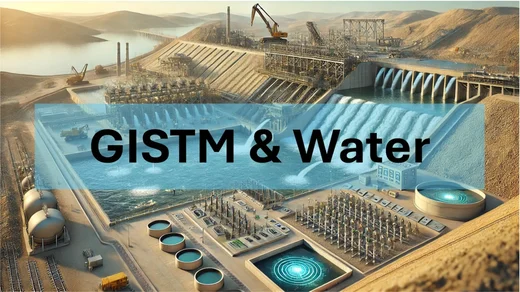
Tailings is Water Management
GISTM analysis: tailings management as water management.